Symptom Guide: How to Spot a Dog Ear Infection Early
Head shaking, odor, redness — the early signs, and why recurring infections mean something deeper.
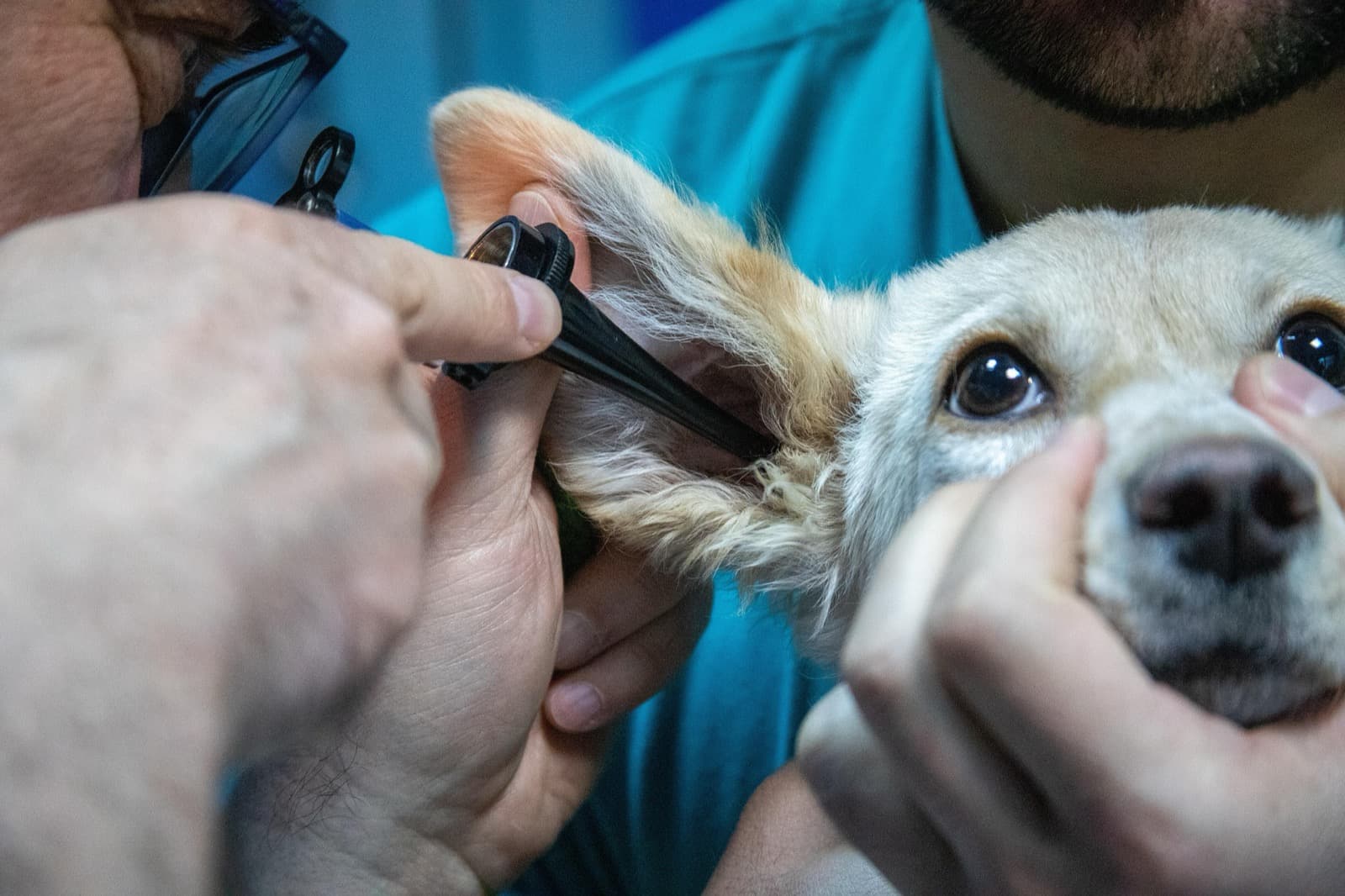
Ear infections are among the most common reasons dogs visit the vet, and they're loudest in the early stage — if you know what counts as a signal. Caught early, most are straightforward to treat. Ignored, they become painful, chronic, and much harder to clear. 1
The early signs
Head shaking or tilting, scratching at one or both ears, rubbing the side of the face on furniture or carpet, redness inside the ear flap, more discharge or wax than usual, a musty or yeasty odor, and sensitivity when the ear is touched. A dog who suddenly hates having one specific ear handled is telling you something. 2
The pattern that matters more than any single infection
One ear infection is an event. Repeated infections are a symptom. Recurring ear trouble very often rides on top of an underlying cause — environmental or food allergies chief among them — and treating each infection without addressing the driver means the cycle continues. 3
Early detection here is genuinely easy: look weekly, smell occasionally, and treat one recurring pattern as a reason for a bigger conversation with your vet. 1
Sources
- Merck Veterinary Manual — Otitis externa in animals. merckvetmanual.com
- VCA Animal Hospitals — Ear infections in dogs. vcahospitals.com
- American College of Veterinary Dermatology — public resources on ear disease and allergy. acvd.org
Our staff writers research every article against reputable veterinary references — veterinary manuals, university veterinary programs and professional association guidelines — working together with the biochemistry specialists at our facilities. Individual author profiles are being added.