How Dog Joints Age — And Why It Starts Earlier Than You Think
Cartilage wear and inflammation begin quietly, often years before the first visible limp.
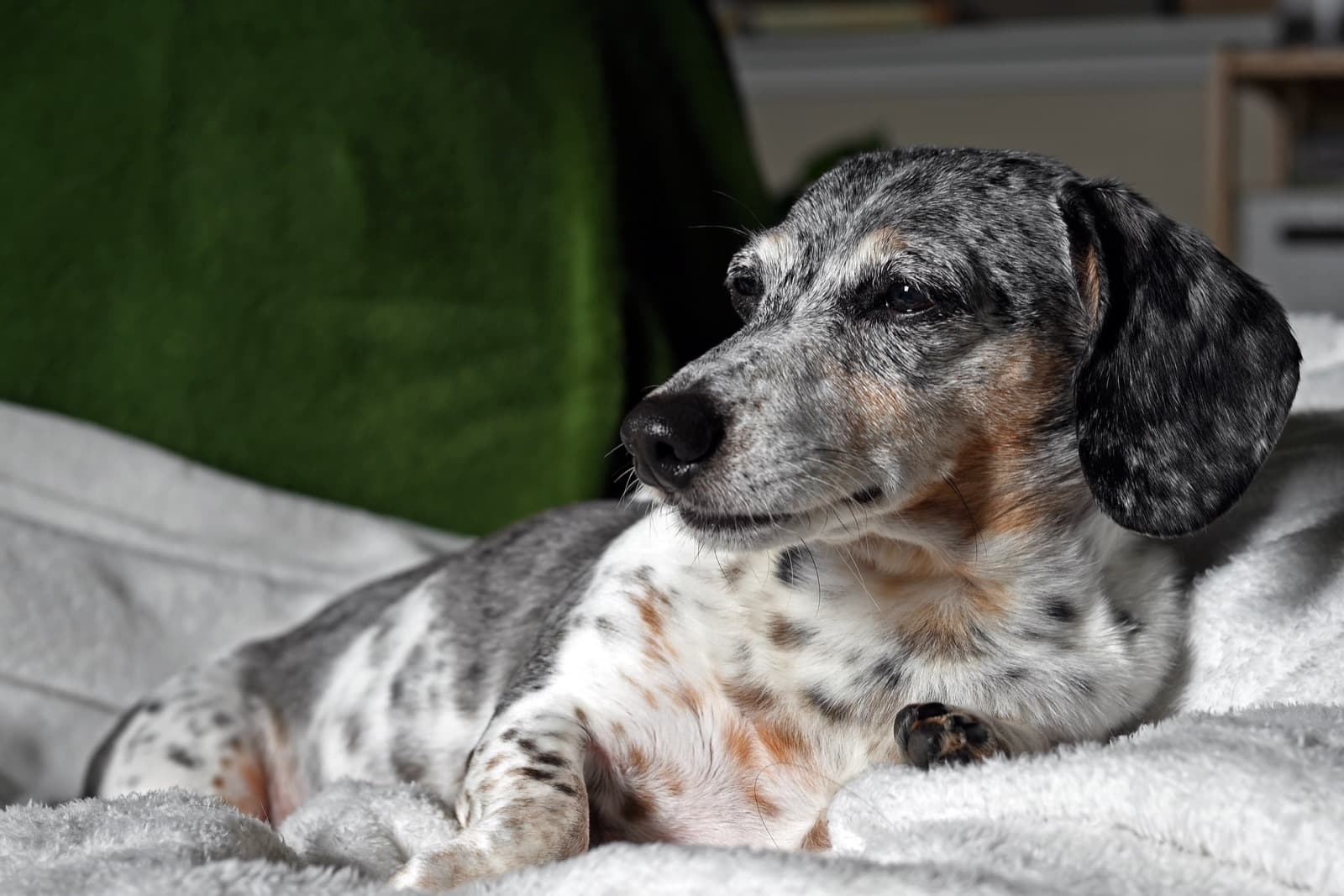
A dog's joint works like a well-engineered hinge: bone ends capped with smooth cartilage, bathed in lubricating fluid, held by ligaments and muscle. Aging attacks this system from two directions at once — the cartilage cushion gradually wears and repairs itself more slowly, and low-grade inflammation develops in the joint tissue around it. 1
The quiet phase
Osteoarthritis is remarkably common in dogs, and the process typically begins long before an owner sees anything. Dogs are also famously good at masking discomfort — a dog with early joint changes usually doesn't limp; he subtly redistributes weight, shortens his stride, or simply chooses to do less. 2
Who's at higher risk
Large and giant breeds, dogs carrying excess weight (the single biggest modifiable factor), dogs with prior joint injuries, and breeds prone to inherited conditions like hip or elbow dysplasia. For these dogs, "senior joint care" thinking should start in middle age, not at grey-muzzle age. 1
Understanding the two-sided nature of joint aging — mechanical wear plus inflammation — is genuinely useful, because it explains why management is multi-pronged: weight, controlled exercise, home adjustments, and veterinary options together, rather than any single fix. 3
Sources
- Merck Veterinary Manual — Osteoarthritis in dogs. merckvetmanual.com
- American College of Veterinary Surgeons — Osteoarthritis in dogs, owner resources. acvs.org
- American Animal Hospital Association (AAHA) — canine osteoarthritis management guidelines. aaha.org
Our staff writers research every article against reputable veterinary references — veterinary manuals, university veterinary programs and professional association guidelines — working together with the biochemistry specialists at our facilities. Individual author profiles are being added.