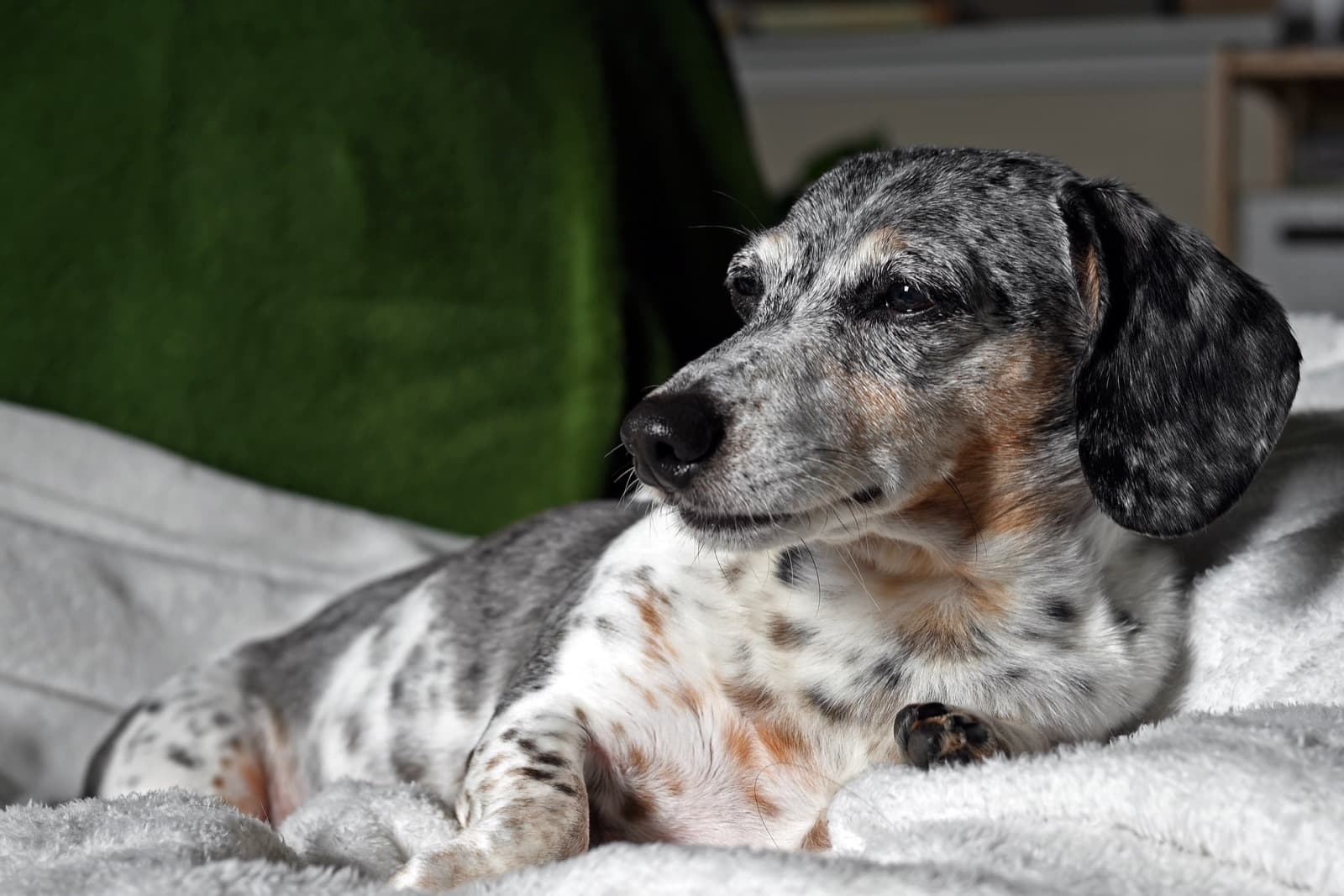
Myth Check: "He's Slowing Down — That's Just Old Age"
Age doesn't hurt. Conditions that come with age do — and most of them can be managed.
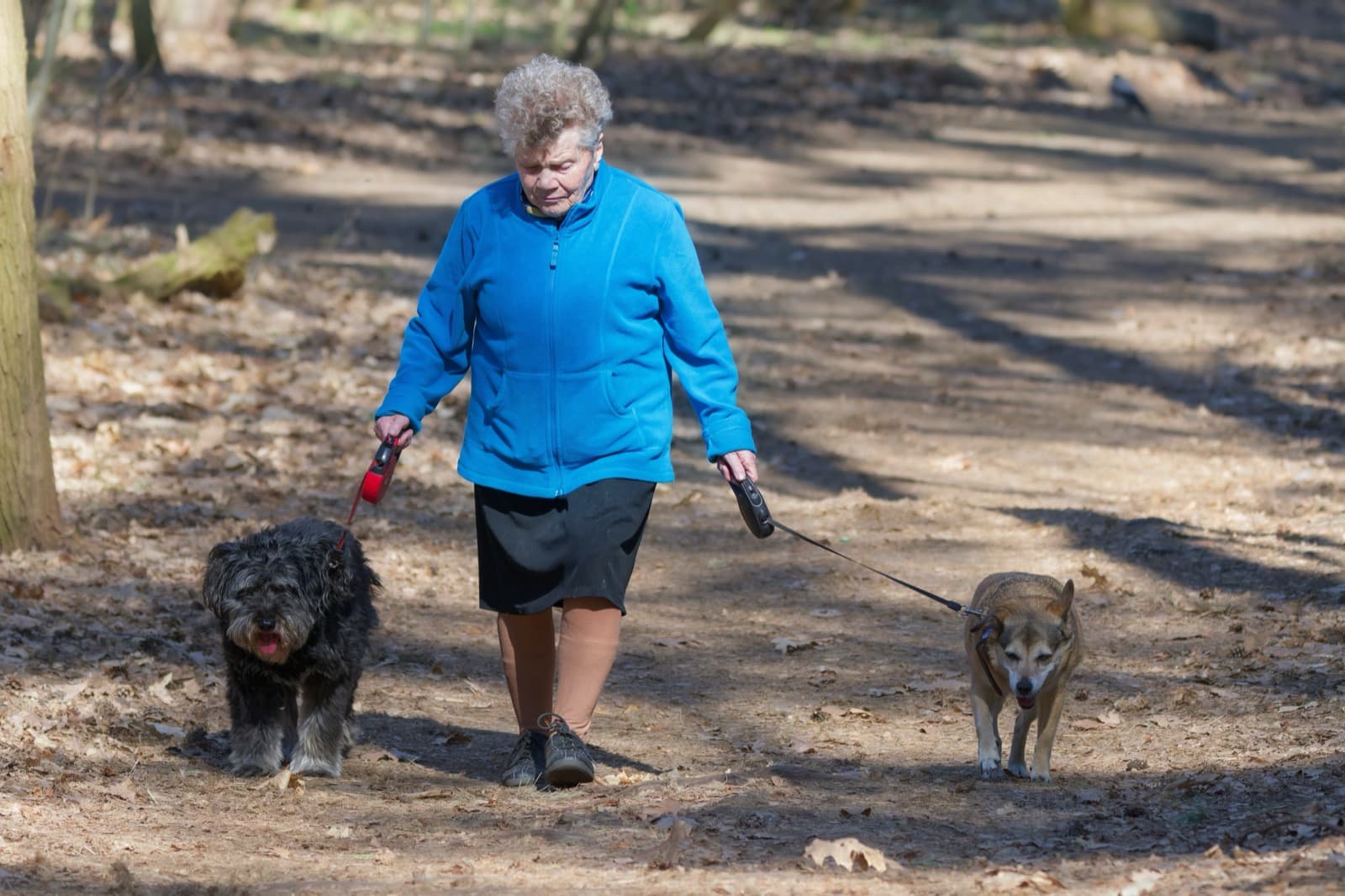
It's the most common — and most costly — assumption in senior dog care: the dog slows down, and everyone nods sadly that he's getting old. But "old" isn't a diagnosis, and age by itself doesn't cause pain. What causes the slowdown is nearly always a specific, nameable condition riding along with age. 1
What's usually actually happening
Osteoarthritis is the leading explanation for age-related slowing, and it's underdiagnosed precisely because owners normalize the signs. But the list is longer: dental pain quietly reduces appetite and energy; hypothyroidism causes lethargy and weight gain; heart disease reduces stamina; and several of these are very treatable once named. 2
The reframe that changes outcomes
Replace "he's old" with "something specific changed — what is it?" That single mental shift is why some senior dogs get comfortable, active final years and others spend them on the sidelines. Veterinary medicine has real options for most of the conditions behind the slowdown; none of them work on a dog whose signs were never brought in. 1
Verdict: myth — and a harmful one. Slowing down is a signal, not a sentence. The dogs who benefit most from this reframe are exactly the ones written off soonest. 2
Sources
- American Animal Hospital Association (AAHA) — senior care guidelines for dogs and cats. aaha.org
- Merck Veterinary Manual — Osteoarthritis and geriatric care in dogs. merckvetmanual.com
Our staff writers research every article against reputable veterinary references — veterinary manuals, university veterinary programs and professional association guidelines — working together with the biochemistry specialists at our facilities. Individual author profiles are being added.