Why Dogs Hide Pain — and How They Do It
Masking pain is instinct, not stoicism. Understanding the behavior helps you see through it.
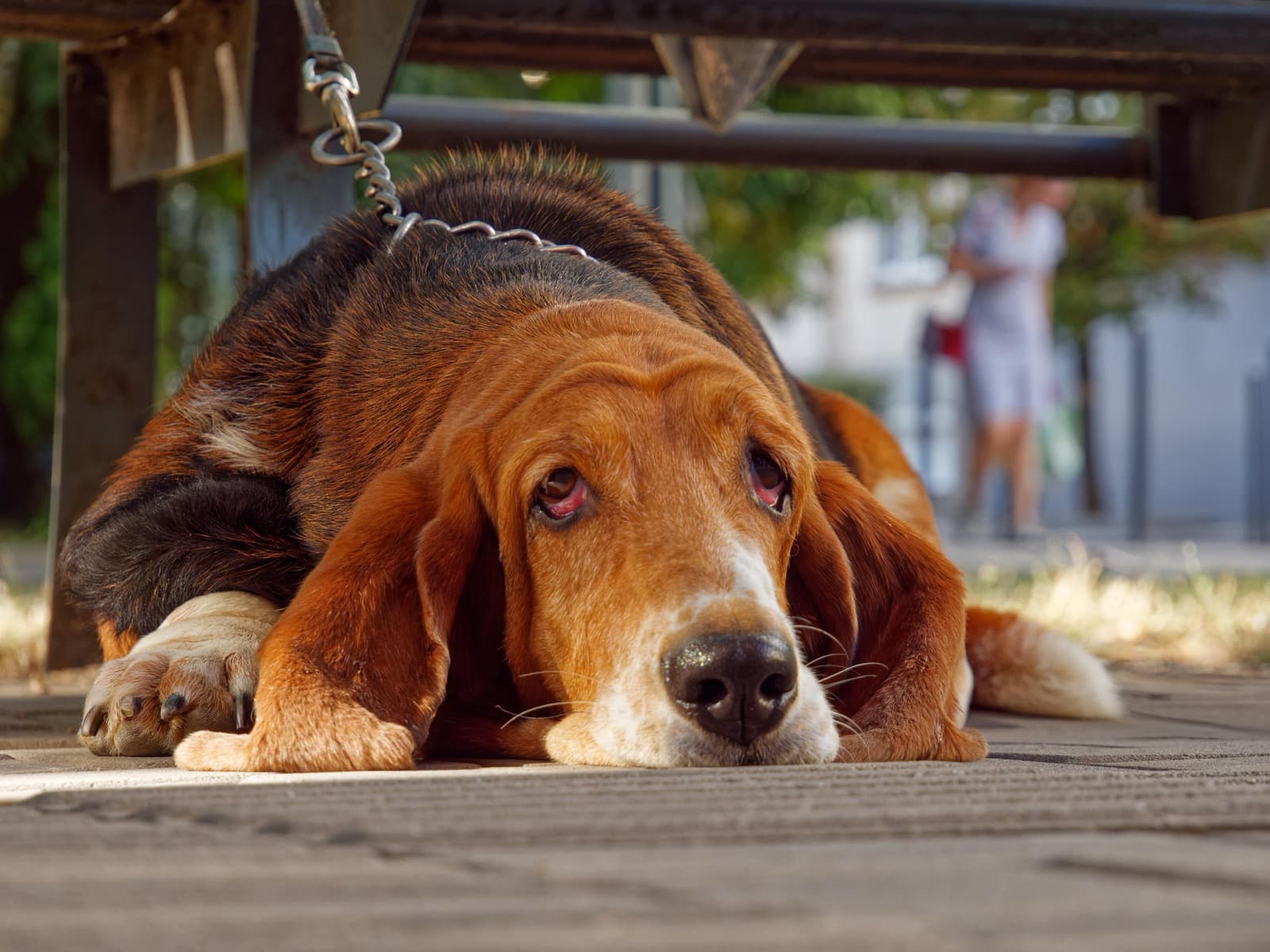
Dogs don't hide pain to be brave. They hide it because evolution taught their ancestors that visible weakness was dangerous. That instinct didn't disappear with domestication — which means the absence of crying, limping, or whining tells you very little about whether a dog hurts. 1
What masking actually looks like
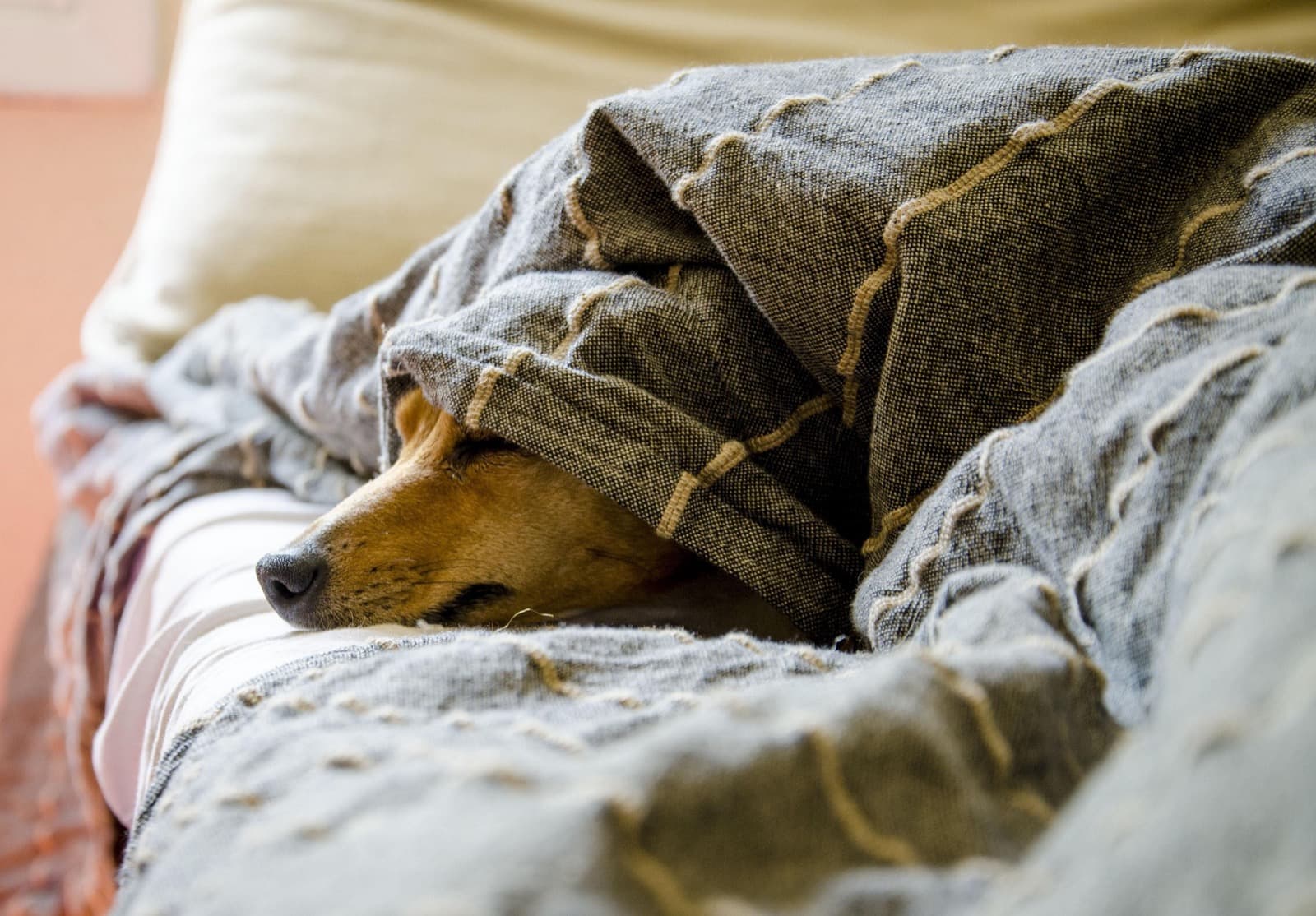
A dog managing pain doesn't dramatize; he subtracts. He does less of what costs him: fewer jumps, shorter play, more sleep, more distance from household chaos. He shifts weight so subtly that the lameness only shows as uneven nail wear or one shoulder muscled differently than the other. He may lick at one spot, or become slightly grumpier about being touched in one place. 2
The signals that leak through
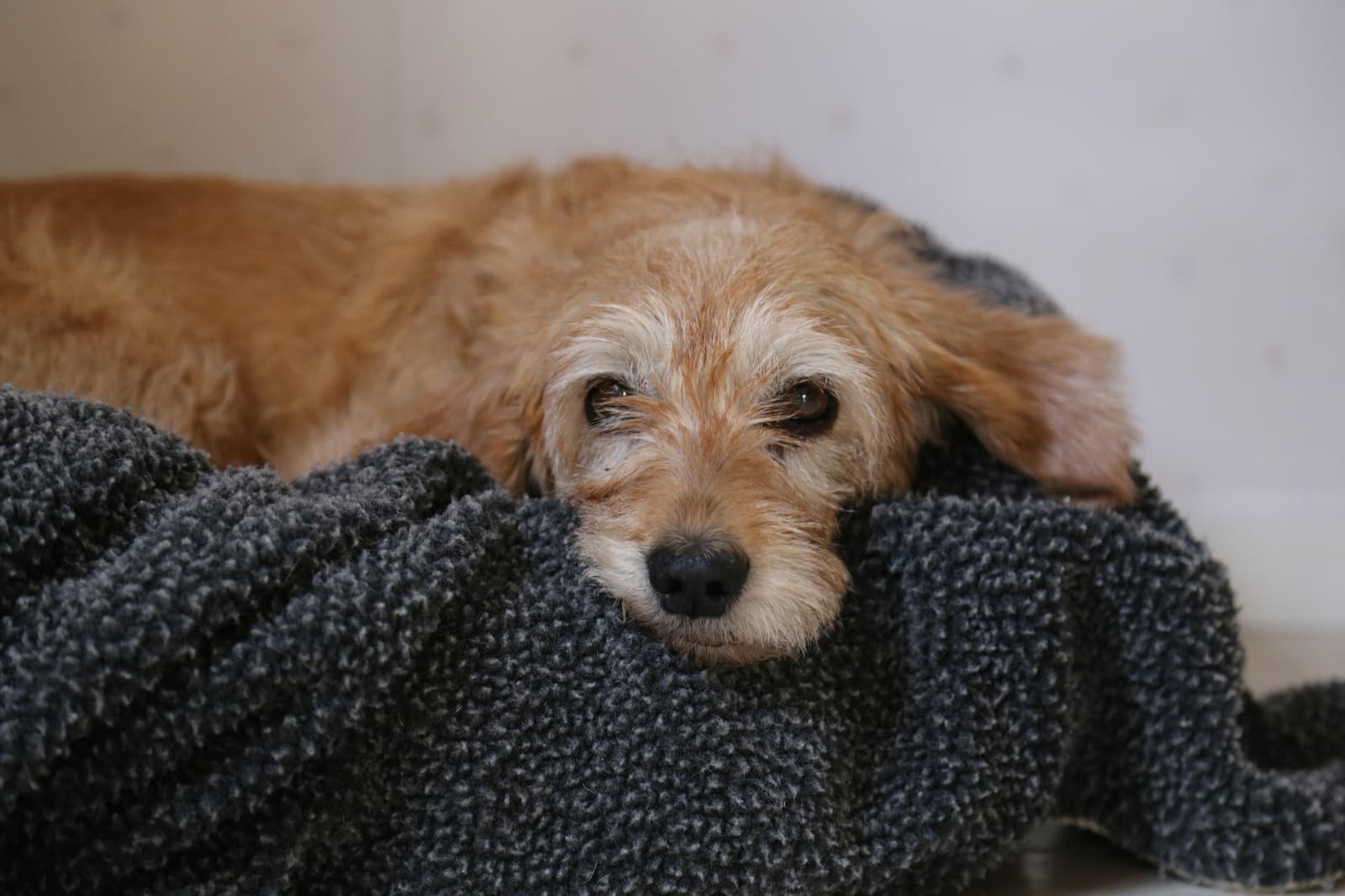
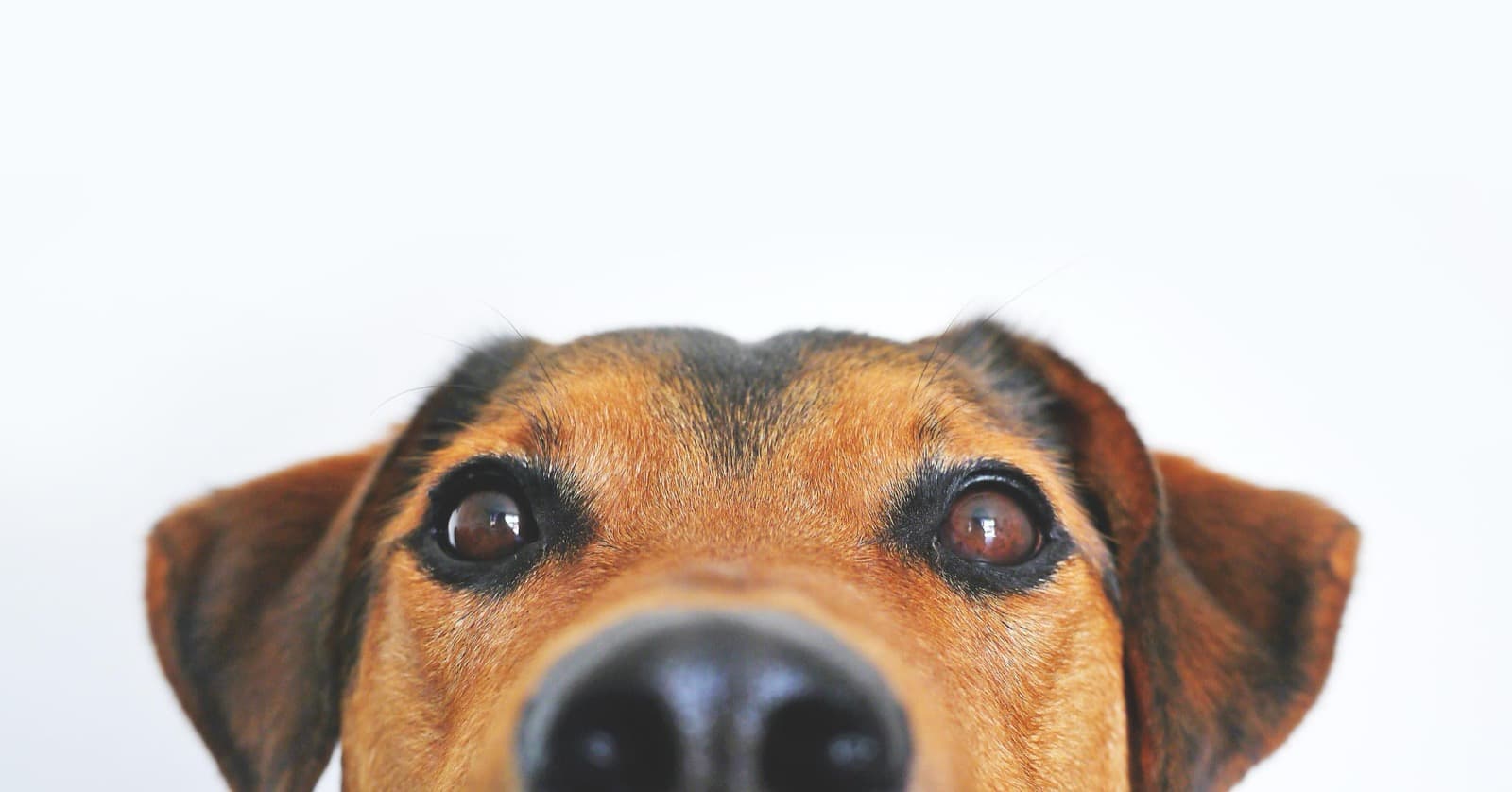
Even good maskers leak. Changes in posture (arched back, tucked belly, lowered head), changes in facial expression (squinted eyes, flattened ears, tension around the muzzle), panting at rest in a cool room, restlessness at night — circling, repositioning, unable to settle — and appetite changes. Individually small; together, a pattern. 1
The practical conclusion: don't wait for a limp or a cry. Watch what your dog quietly stops doing. Subtraction is the language dogs use for pain — and it's fully readable once you know to look for it. 2
Sources
- American Animal Hospital Association (AAHA) — pain management guidelines for dogs and cats. aaha.org
- Merck Veterinary Manual — Pain assessment in animals. merckvetmanual.com
Our staff writers research every article against reputable veterinary references — veterinary manuals, university veterinary programs and professional association guidelines — working together with the biochemistry specialists at our facilities. Individual author profiles are being added.